May 18, 2026
The quest for eternal youth used to begin once the fine lines had already made a permanent home on the face. For previous generations, cosmetic enhancements were a reactive measure taken well into middle age to turn back the clock. However, a significant shift in perspective has altered the landscape of modern aesthetics. Today, the conversation is no longer just about correction; it is about preservation and prevention. Younger demographics are increasingly curious about how they can maintain their current complexion for as long as possible. This growing interest is fueled by a mix of social media influence, greater accessibility to information, and a desire for subtle refinements rather than drastic changes.
Understanding the Preventive Mindset
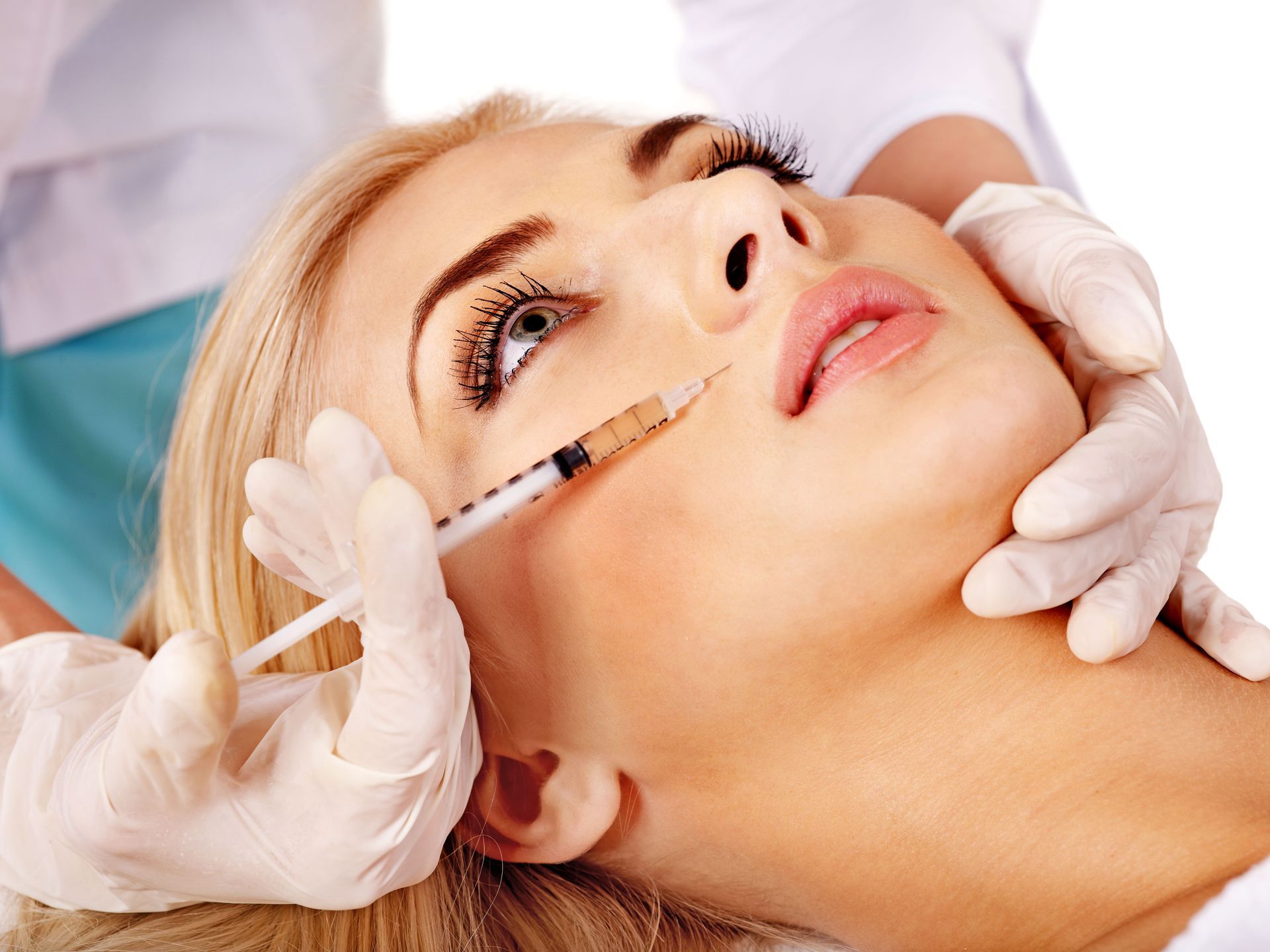
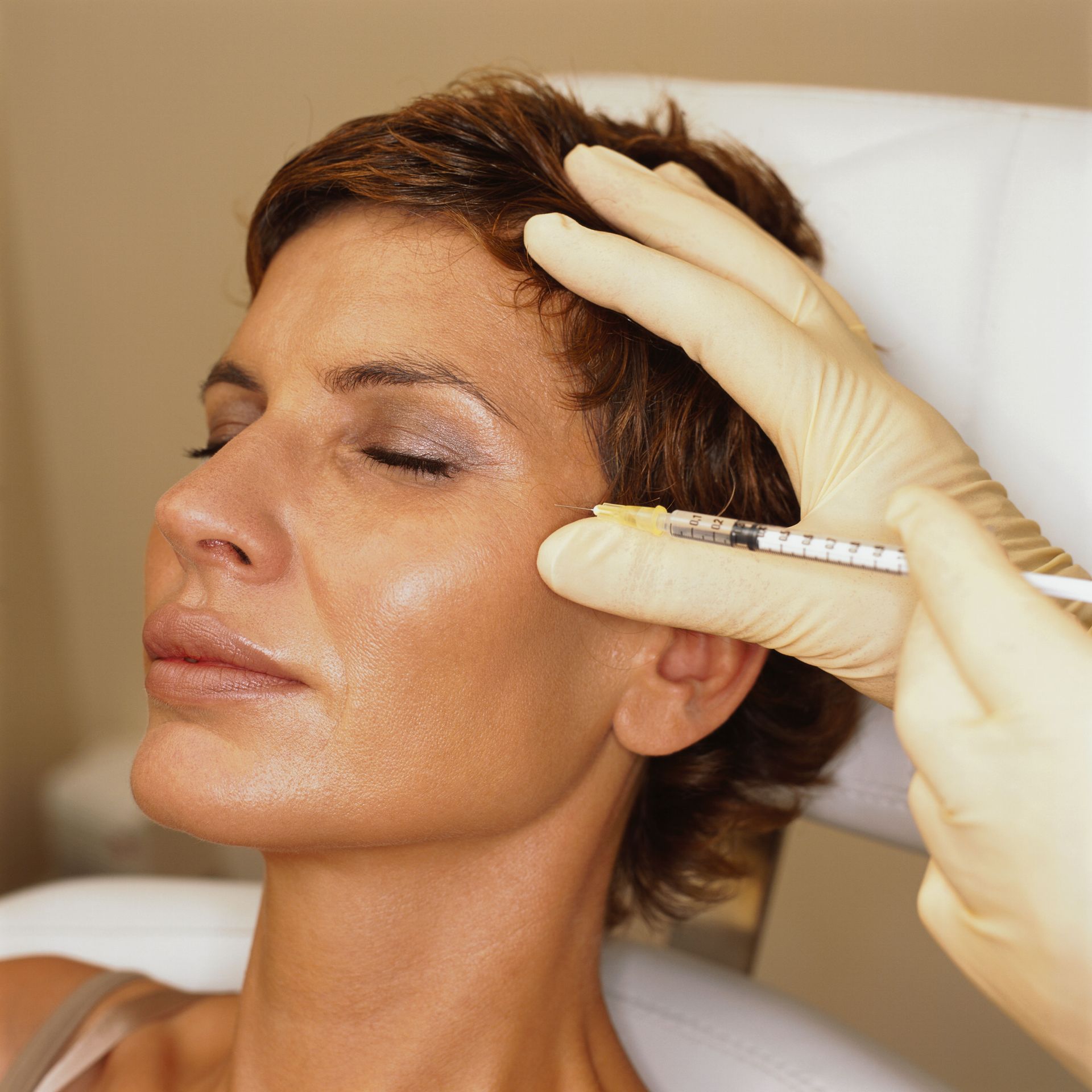
The primary driver behind the surge of interest in Botox among younger adults is the concept of pre-juvenation. This philosophy suggests that by relaxing the muscles responsible for repetitive expressions, one can prevent deep-set wrinkles from ever forming. In your twenties and thirties, your skin still possesses a high amount of collagen and elasticity. By introducing a neuromodulator early, you are essentially training your face to avoid the heavy scowling or squinting that eventually etches permanent folds into the dermis.
Prevention is often much more effective than a cure, especially when it comes to the delicate tissues of the face. When a muscle is constantly contracting, it creates a "crease" in the skin above it, much like folding a piece of paper over and over in the same spot. Eventually, that crease stays there even when the paper is flat. By using Botox to soften those contractions, you ensure the "paper" stays smooth.
Breaking the Stigma of Cosmetic Care
There was once a time when seeking aesthetic enhancements was a guarded secret. That era has vanished, replaced by a culture of transparency and self-care. Millennials and members of Gen Z view skin health through the same lens as fitness or nutrition. Discussing Botox is now as common as sharing a favorite moisturizer or a workout routine. This openness has demystified the process, making it less intimidating for those who were previously on the fence. When people see their peers achieving refreshed, natural-looking results, the fear of looking artificial or frozen dissipates.
The democratization of beauty information through social platforms has played a massive role in this cultural shift. Influencers and medical professionals alike share their experiences and results, showing that these treatments are accessible and normal. This cultural normalization means that younger people feel less like they are "fixing" a flaw and more like they are investing in their future selves. The stigma has been replaced by a sense of savvy consumerism, where taking care of one's appearance is seen as a logical part of a broader wellness journey.
Analyzing the Impact of Digital Culture
High-definition cameras and constant video conferencing have made us more aware of our facial expressions than ever before. Seeing oneself on a screen during daily work meetings often highlights areas of concern that might have gone unnoticed in the past. This digital self-awareness has led many to seek Botox as a way to look more rested and approachable. The influence of social media cannot be understated either, as filters and photo-editing tools have set a high bar for skin texture. While many understand that digital perfection is unattainable, they still desire a real-life version of that blurred, soft-focus effect that professional treatments can provide.
The "Zoom Effect" has been a documented phenomenon in recent years, driving a spike in consultations. When we look at ourselves in a mirror, we are often in motion or focused on a specific task, but the static nature of a video call forces us to confront our resting faces. This constant feedback loop encourages people to seek out solutions that help them look as vibrant and energetic as they feel. For many, a small amount of Botox provides the confidence boost needed to navigate a world that is increasingly visual and digital.
Considering the Statistics of Modern Users
The demographics of aesthetic treatments are shifting rapidly toward a younger audience. According to Filler Supplies, around 24% of clients who get Botox are aged 19 to 34. This statistic highlights that nearly a quarter of the market is comprised of individuals who are likely using the treatment for preventative reasons or minor corrections. This surge in younger participants proves that Botox is no longer reserved for those looking to erase decades of aging. Instead, it has become a staple for young professionals and individuals who prioritize a polished appearance as part of their overall grooming and wellness identity.
This statistical shift also indicates a change in the economic landscape of beauty. Younger people are allocating their disposable income toward long-term aesthetic benefits rather than just temporary luxury goods. They see the value in maintaining their skin while it is at its peak. The data reflects a move away from the "wait and see" approach of the past and toward a "maintain and protect" philosophy that is likely to keep the industry growing for years to come.
Evaluating the Minimal Downtime and Effort
One of the most appealing aspects of this specific treatment is how easily it fits into a busy lifestyle. Modern professionals in their prime working years do not have the time for lengthy recoveries or invasive procedures. A typical session of Botox can be completed in a matter of minutes, often referred to as a lunchtime procedure. There is very little required in terms of aftercare, allowing clients to return to their daily responsibilities almost immediately.
Furthermore, the non-permanent nature of the treatment offers a level of comfort to those who are new to the world of aesthetics. Knowing that the effects will naturally wear off over several months allows individuals to test the waters without making a lifelong commitment.
- No need for general anesthesia or surgical suites
- Ability to resume exercise and work shortly after
- Subtle changes that appear gradually over a week
- Predictable outcomes with a long-standing safety profile
Customizing Results for a Natural Appearance
The goal for younger patients is rarely to look like someone else; rather, it is to look like the best version of themselves. Providers have perfected techniques that allow for a wide range of movement while still softening the intensity of muscle contractions. This "baby Botox" approach uses smaller amounts of the product to ensure that the face remains expressive and vibrant. By focusing on these minor adjustments, the treatment remains a subtle secret rather than an obvious change.
- Maintaining eyebrow mobility for natural communication
- Softening the look of tiredness around the eyes
- Smoothing the forehead without a shiny or tight finish
- Softening the chin or jawline for a more balanced profile
The emphasis on customization is what truly sets modern treatments apart. A skilled injector understands the unique facial anatomy of a twenty-something versus a fifty-something. They can target specific muscles while leaving others untouched to preserve the natural character of the face.
Choosing to start these treatments in your twenties or thirties is a personal decision that should be based on individual goals and anatomy. While the preventative benefits are clear, it is equally important to pair these services with a robust skincare regimen and sun protection. When Botox is integrated into a comprehensive plan for skin health, the results are far more effective and long-lasting. It provides a foundation of smoothness that topicals alone cannot achieve. As the trend continues to grow, it is clear that the focus has shifted toward longevity and the confidence that comes with feeling comfortable in your own skin.
For those looking to begin their journey with expert guidance and a personalized touch, Elite Medical Spa offers the professional care needed to achieve a refreshed and youthful glow.