August 13, 2026
Navigating the modern landscape of non-surgical cosmetic enhancements often leads individuals to a common crossroad: choosing between neuromodulators and dermal fillers. Both options have revolutionized non-invasive aesthetic medicine, offering tailored solutions to combat visible signs of aging, enhance facial contours, and restore youthful vitality without requiring extensive surgical downtime. However, despite their shared popularity and complementary natures, these treatments operate on entirely distinct physiological principles and address vastly different aesthetic concerns. Understanding the unique mechanisms behind each modality is essential for anyone seeking to refresh their appearance and achieve natural-looking rejuvenation.
As skin matures, natural collagen production slows down, facial fat pads shift, and years of expressive muscle movements leave lasting impressions across the complexion. Some individuals notice prominent dynamic creases forming around the eyes or across the forehead when smiling or frowning, prompting them to explore professional Botox services to soften these motion-induced lines. Others observe a loss of mid-face volume, hollowed temples, or deepening folds around the mouth, which call for the plumping and restructuring capabilities of hyaluronic acid dermal fillers. Distinguishing between dynamic wrinkles caused by muscle contractions and static volume loss caused by tissue depletion allows clients to make informed decisions that align with their personal beauty goals.
Understanding Primary Treatment Mechanics
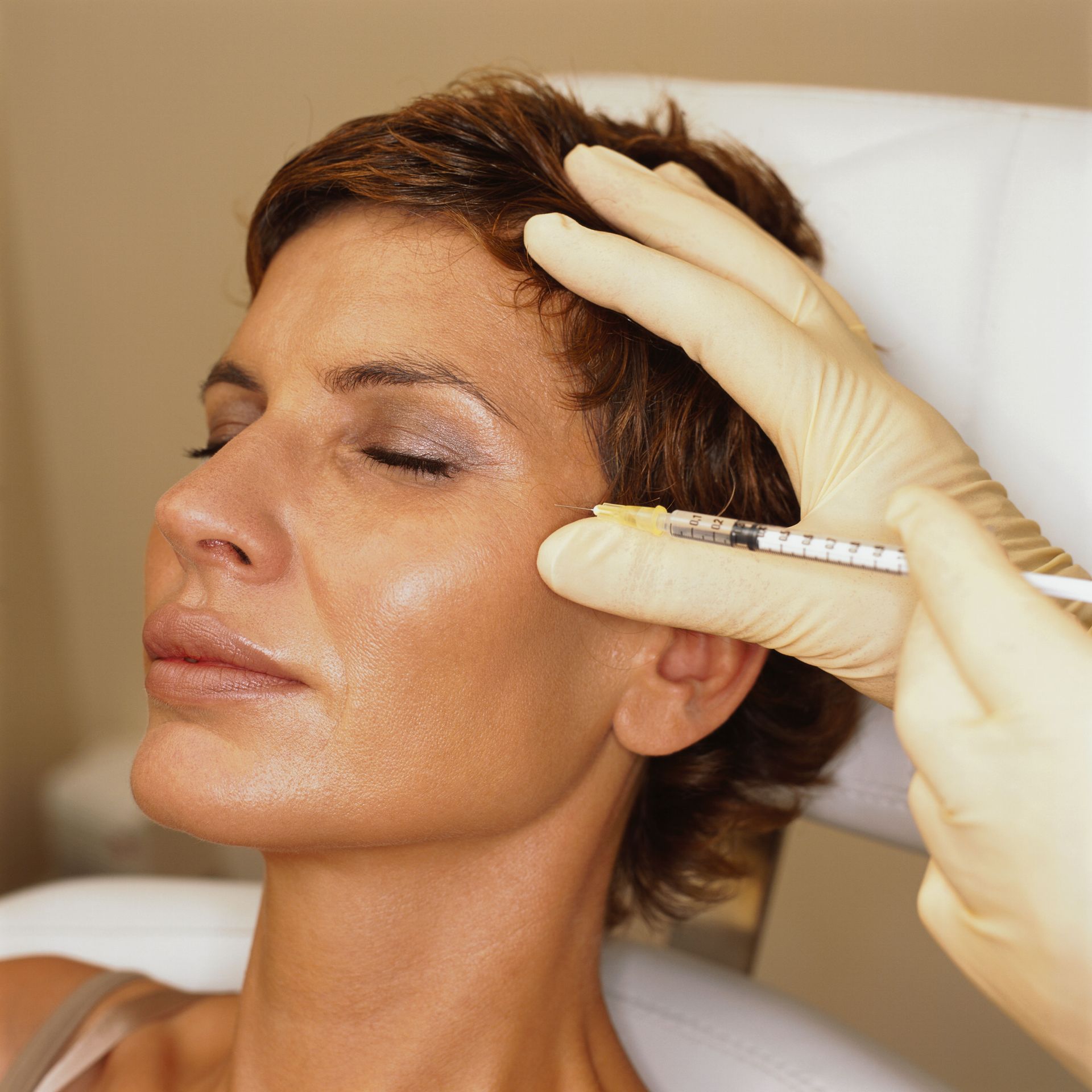
To select the appropriate aesthetic treatment, one must first grasp how each formula interacts with facial anatomy. Neuromodulator injections function by targeting the underlying facial muscles responsible for repetitive expressions. When administered into targeted muscle groups, the active purified protein temporarily relaxes nerve signals, preventing hyperactive muscles from contracting forcefully. As the treated muscle rests, the overlying skin relaxes, allowing persistent expression lines to smooth out gently over time. Investing in certified Botox services allows individuals to smooth forehead creases, soften crow's feet, and diminish vertical frown lines between the eyebrows while maintaining natural facial expressiveness.
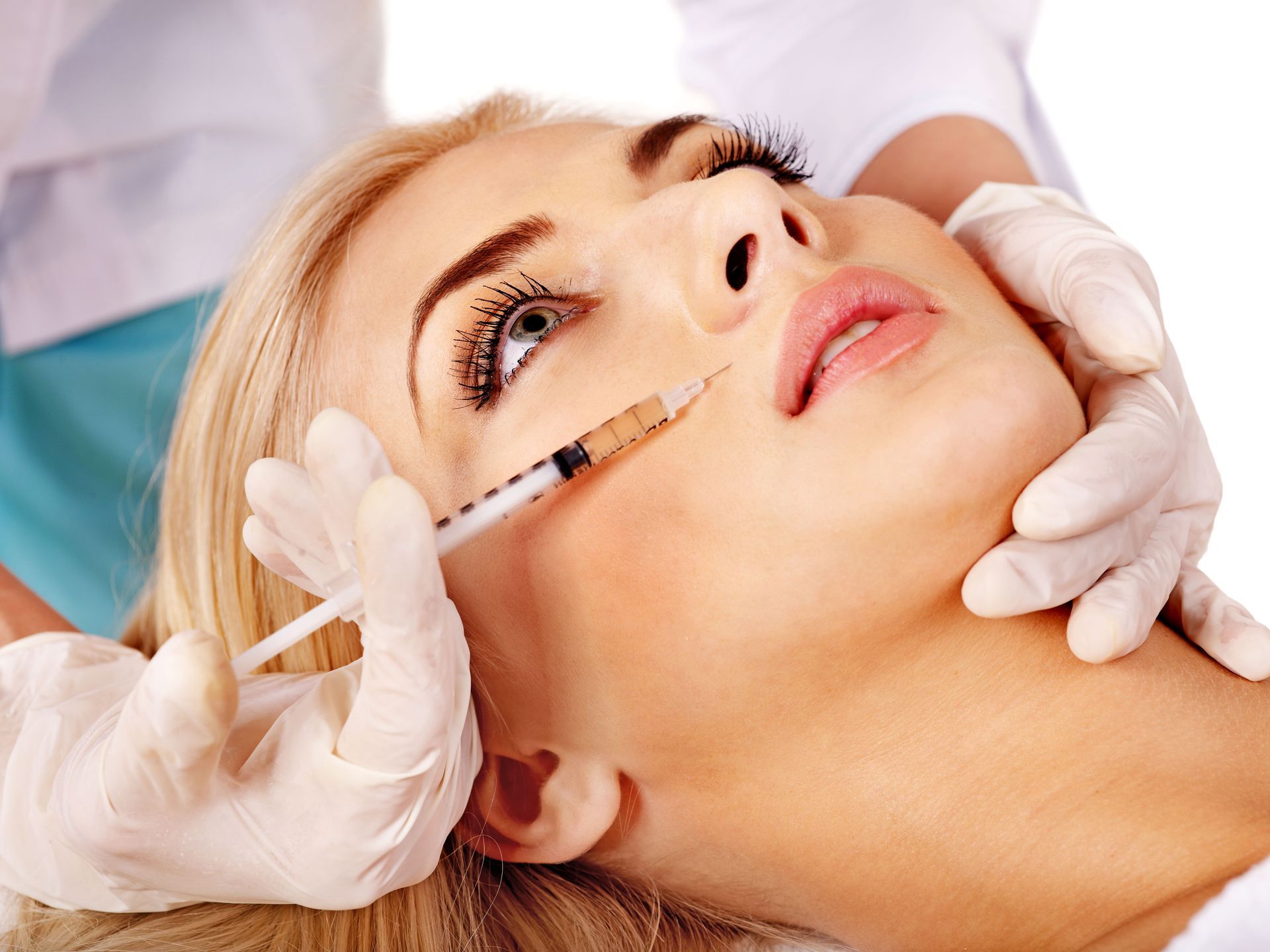
Conversely, dermal fillers operate through an entirely physical restoration mechanism rather than muscle relaxation. Most modern fillers utilize smooth hyaluronic acid gels—a substance naturally synthesized within human tissue to bind water and maintain skin hydration. When injected beneath the skin surface, these volumizing gels instantly fill hollow spaces, lift sagging tissues, and sculpt defined contours. Rather than stopping muscle movement, fillers act as structural cushions that replace lost subcutaneous fat, boost natural hydration, and smooth out static wrinkles that remain visible even when the face is completely at rest.
Targeting Specific Facial Regions
Facial anatomy varies significantly from the upper regions down to the jawline, necessitating localized treatment strategies for optimal aesthetic balance. The upper regions of the face are particularly prone to dynamic lines created by constant facial expressions such as squinting, concentrating, or raising eyebrows. Relying on specialized Botox services offers incredible precision when refining the upper face, effectively easing horizontal forehead furrows, softening delicate smile lines around the outer eye corners, and lifting sagging brows. By reducing muscle tension in these active areas, the upper face achieves a rested, refreshed appearance without altering fundamental facial character.
In contrast, the lower areas of the face generally benefit more from the structural support provided by dermal fillers. As natural aging progresses, mid-face volume declines, leading to flattened cheekbones, hollow under-eye troughs, and pronounced smile lines extending from the nose to the corners of the mouth. Dermal fillers excel in these lower zones by restoring youthful fullness to the cheeks, sharpening the jawline contour, defining the chin profile, and plumping thin lips. While muscle relaxants calm hyperactive motion above, fillers provide necessary volume and structural definition below, creating a harmonious aesthetic baseline across the entire visage.
Evaluating Immediate and Long-Term Results
Expectations regarding treatment onset and long-term maintenance play a major role in choosing the right cosmetic procedure. Dermal fillers provide immediate gratification, as the hyaluronic acid gel instantly occupies space beneath the dermis upon injection. Clients step out of the treatment room with visibly enhanced cheeks, smoother nasolabial folds, or plumper lips right away. Over subsequent weeks, the filler integrates seamlessly into surrounding tissue, attracting moisture to create an increasingly smooth and supple texture that lasts for an extended period.
Neuromodulator treatments follow a different timeline, requiring a degree of patience as the formula gradually interacts with targeted nerve receptors. Initial softening of muscle movement usually begins within a few days following injection, with full smoothing effects becoming evident after a couple of weeks. According to Healthline, people aged 40 to 54 years old are the most common group to receive Botox. For this demographic and beyond, scheduling periodic Botox services ensures continuous line prevention, keeping dynamic wrinkles from deepening into permanent static scars as the years progress.
Comparing Treatment Durations and Recovery
Understanding the operational lifespan of each product helps clients establish realistic long-term maintenance routines. Neuromodulators offer a temporary relaxation of targeted facial muscles, with results gradually fading as muscle activity naturally returns over a portion of the year. Regular follow-up appointments allow individuals to maintain continuous smoothness, often training muscle groups to remain relaxed with less frequent touch-ups over extended practice. Furthermore, opting for expert Botox services typically requires minimal recovery time, allowing clients to resume daily professional and social activities immediately following their brief appointment.
Dermal fillers generally offer longer-lasting outcomes, though duration varies depending on the specific product formulation, cross-linking density, and injection depth. Thinner filler formulas designed for delicate lip enhancement or subtle under-eye correction last for a moderate duration, whereas thicker structural gels placed along the cheekbones or jawline can maintain their shape for a substantially longer period. Recovery from filler injections is similarly straightforward, though minor localized swelling or temporary bruising may occur as the gel settles into place over several days.
Combining Complementary Cosmetic Procedures
Rather than viewing neuromodulators and dermal fillers as competing options, many experienced aesthetic practitioners view them as complementary tools in total facial rejuvenation. Dynamic lines and volume loss frequently co-exist, meaning that addressing only one concern may yield incomplete cosmetic balance. A comprehensive approach—often referred to as a non-surgical liquid facelift—combines the muscle-relaxing benefits of neuromodulators with the structural restoration of volumizing gels to rejuvenate the entire face holistically.
For example, relaxing hyperactive frown muscles in the upper face prevents the deepening of brow creases, while simultaneously placing filler along the cheeks lifts sagging lower tissues and diminishes smile lines. Incorporating routine Botox services alongside dermal fillers creates total facial harmony, as each treatment addresses distinct anatomical layers without interfering with the other.
Choosing Your Ideal Aesthetic Path
Selecting the ideal cosmetic treatment ultimately depends on your unique anatomical profile, primary aesthetic concerns, and desired outcome. If your primary goal involves softening lines that appear when expressing emotions, relaxing muscle tension, or preventing deep brow furrows, muscle-relaxing injections represent the ideal starting point. If your main objective centers on restoring lost cheek volume, plumping thin lips, defining a weak jawline, or smoothing deep static folds, dermal fillers offer the targeted structural support you require.
Consulting with an experienced aesthetic practitioner provides the clarity needed to design a personalized treatment plan aligned with your expectations. A thorough professional evaluation assesses your skin elasticity, muscle strength, facial symmetry, and cosmetic history, guiding you toward the most effective modality or combination of services.
At Elite Medical Spa, we believe that true aesthetic confidence comes from personalized care, expert guidance, and natural-looking outcomes. Our dedicated team takes the time to understand your unique aesthetic goals, crafting tailored treatment plans that restore youthful radiance and enhance your inherent beauty. Reach out to us today to schedule your private consultation and take the first step toward a refreshed, vibrant appearance.