November 13, 2026
Acne vulgaris is one of the most common and persistent dermatological conditions worldwide, affecting adolescents, young adults, and older demographics alike. Because acne stems from a complex interplay of excess sebum production, follicular hyperkeratinization, bacterial proliferation, and cutaneous inflammation, single-agent therapies often fall short of delivering complete or lasting clearance. To achieve superior clinical outcomes, dermatologists increasingly rely on multi-modal treatment frameworks that target multiple disease pathways simultaneously. These comprehensive protocols combine topical agents, systemic medications, advanced light therapies, and clinical procedures tailored to an individual’s specific skin architecture. Early clinical intervention plays a vital role in preventing severe structural damage and minimizing the psychological distress associated with persistent breakouts. Understanding how to build a personalized acne treatment plan allows clinicians to systematically target underlying causes rather than merely addressing surface symptoms. The global demand for effective, science-backed solutions continues to expand rapidly; the global acne treatment market size was valued at USD 12.19 billion in 2025, according to Fortunebusinessinsights.com. Exploring how modern practitioners design and implement multi-modal acne treatment plans sheds light on how targeted clinical care transforms compromised skin into a clear, healthy barrier.
Mapping the Multifactorial Pathophysiology of Severe Acne
Designing an effective clinical strategy requires a detailed understanding of the four primary pillars of acne pathogenesis. The process begins when androgenic hormones stimulate sebaceous glands to produce excessive amounts of sebum, creating an oil-rich environment within the pilosebaceous unit. Simultaneously, abnormal keratinocyte shedding clogs the pore opening, trapping sebum and forming a microcomedone. Within this enclosed space, Cutibacterium acnes bacteria proliferate rapidly, triggering an inflammatory cascade that transforms silent microcomedones into painful papules, pustules, and deep nodulocystic lesions. Because these pathogenic events occur concurrently, relying on a single mechanism of action leaves remaining pathways unchecked. A modern acne treatment strategy addresses each mechanism in parallel to break the cycle of ongoing inflammation and prevent long-term scarring.
Combining Topical Retinoids and Antimicrobial Formulations
Topical therapy remains the foundation of mild-to-moderate acne management, but utilizing individual topical agents sequentially often yields slow or partial responses. Dermatologists frequently prescribe fixed-combination topicals that marry a potent retinoid, such as adapalene or tretinoin, with an antimicrobial agent like benzoyl peroxide or clindamycin. Retinoids normalize keratinocyte turnover to unblock pores and allow antimicrobials to penetrate deeper into the hair follicle, where they suppress bacterial growth. Furthermore, incorporating benzoyl peroxide alongside topical antibiotics prevents bacterial resistance, ensuring that the therapeutic regimen remains effective over extended periods. Combining complementary active ingredients into a single daily application also improves overall patient adherence to long-term clinical protocols. Formulating a dual-action topical acne treatment regimen accelerates cellular renewal while neutralizing active surface bacteria.
Integrating Oral Therapies for Systemic Inflammation and Hormonal Control
When acne presents as widespread, moderate-to-severe, or deeply cystic, topical interventions alone may not penetrate deeply enough to control systemic inflammation. In these cases, dermatologists integrate oral medications into the multi-modal framework to tackle root drivers from within the body. Oral antibiotics like doxycycline or minocycline provide rapid anti-inflammatory and antibacterial effects during acute flare-ups, while oral hormonal regulators such as spironolactone or combination oral contraceptives manage androgen-driven sebum production in female patients. For recalcitrant or severe nodulocystic cases, oral isotretinoin acts as a definitive disease-modifying agent by dramatically shrinking sebaceous glands and suppressing all four pathogenic factors. Combining carefully monitored oral systemic medications with supporting topical maintenance preserves skin stability and minimizes the risk of post-treatment relapse. Evaluating oral options alongside topical care ensures that every prescription acne treatment works synergistically across systemic and cutaneous pathways.
Harnessing Light, Laser, and Energy-Based Clinical Technologies
Energy-based modalities have transformed modern clinical dermatology by offering non-invasive alternatives or supplements to traditional pharmaceutical regimens. Broad-band blue light therapy targets porphyrins, generating singlet oxygen molecules that destroy the bacteria without damaging surrounding dermal tissue. Red light wavelengths penetrate deeper into the dermis to quiet inflammatory responses and promote tissue repair. Additionally, 1726 nm laser systems selectively target and down-regulate hyperactive sebaceous glands, reducing oil production at its source. Incorporating light and laser sessions into a broader medical regimen accelerates lesion clearance and offers valuable solutions for patients who cannot tolerate or prefer to avoid oral medications. These non-invasive technologies can also be safely performed during routine office visits with minimal patient downtime. Integrating clinical energy devices into a comprehensive acne treatment framework provides rapid relief for stubborn inflammatory lesions.
Utilizing Chemical Peels and In-Office Exfoliation Procedures
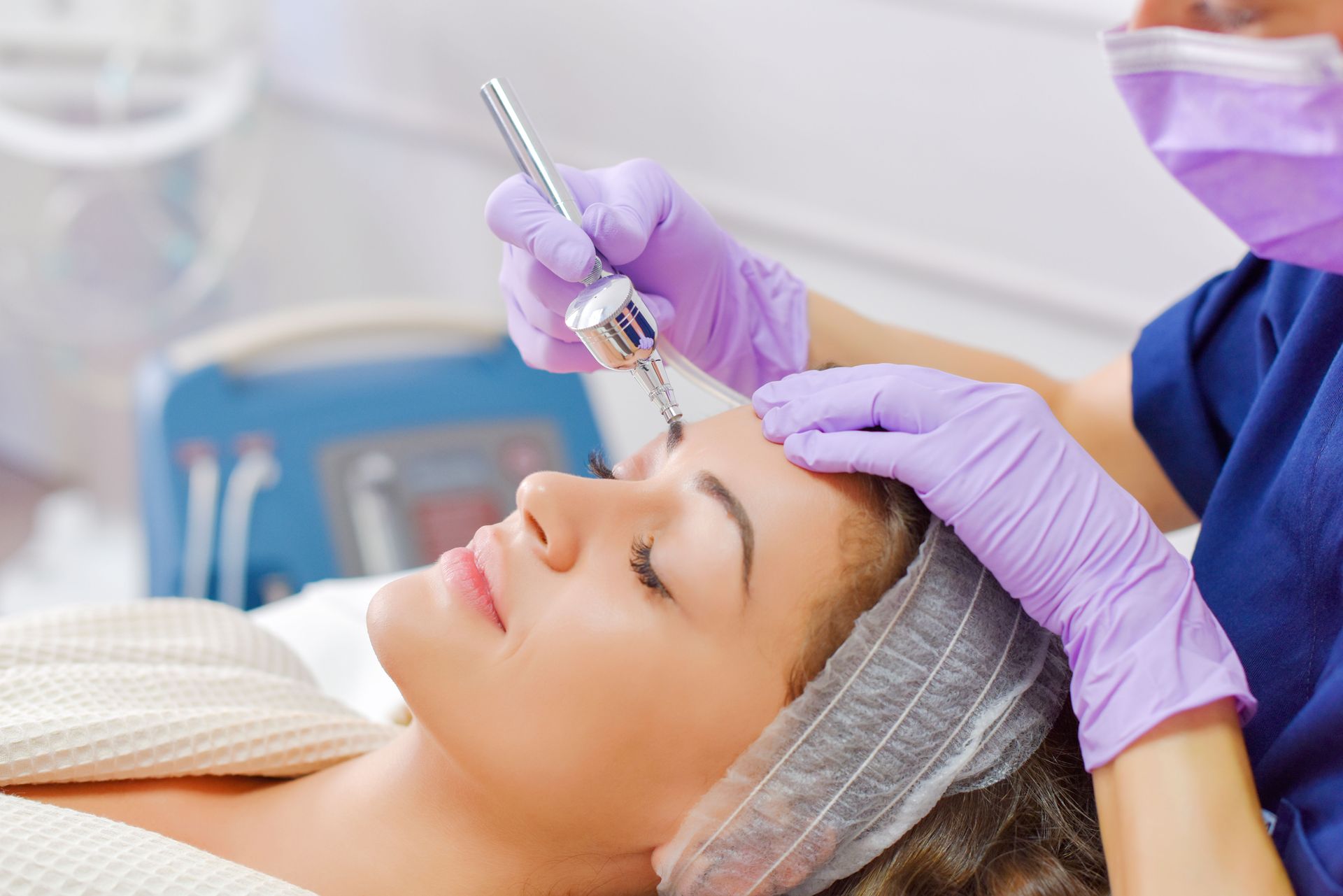
In-office procedural interventions complement daily medical regimens by accelerating the clearance of stubborn comedones and surface congestion. Superficial chemical peels formulated with glycolic, salicylic, or trichloroacetic acid break down intercellular lipids, exfoliating the stratum corneum and clearing impacted pores. Salicylic acid is particularly effective due to its lipophilic nature, allowing it to mix seamlessly with sebum and penetrate deep into clogged follicles. Professional exfoliation procedures also help fade surface discolorations left behind by previous inflammatory lesions. Medical-grade extractions performed alongside chemical peels safely relieve pressure in distended pores without causing the mechanical trauma or scarring associated with manual picking at home. Scheduling periodic clinical peels enhances the absorption of daily topical medications, keeping the skin clear and receptive to active ingredients. Incorporating chemical exfoliants into a routine in-office acne treatment plan helps prevent pore blockages before new breakouts take hold.
Modulating the Cutaneous Microbiome and Skin Barrier Integrity
Emerging dermatological research emphasizes that clinical management must focus not merely on eliminating bacteria, but on optimizing the overall skin microbiome. Overuse of non-selective topical antimicrobials can disrupt beneficial resident flora, leading to barrier dysfunction, increased sensitivity, and opportunistic secondary infections. Modern multi-modal care incorporates topical prebiotics, postbiotics, and targeted microbiome-friendly formulations that restore skin pH and support the growth of commensal microorganisms like Staphylococcus epidermidis. Strengthening the skin barrier with lipid-replenishing ceramides and anti-inflammatory niacinamide reduces transepidermal water loss while suppressing bacterial colonization. Rebalancing the skin’s microscopic ecosystem preserves long-term cutaneous immunity and reduces treatment-induced irritation. Maintaining barrier integrity remains a critical priority within any long-term medical acne treatment strategy.
Mitigating Post-Inflammatory Hyperpigmentation and Structural Scarring
Controlling active breakouts is only half the battle; addressing the secondary effects of acne—such as post-inflammatory hyperpigmentation (PIH), post-inflammatory erythema (PIE), and atrophic scarring—is essential for achieving true skin restoration. Darker skin phototypes are particularly prone to lingering hyperpigmentation, which can persist for months after the initial lesion resolves. Dermatologists integrate tyrosinase inhibitors like azelaic acid, kojic acid, or niacinamide alongside targeted vascular lasers and microneedling to break up excess pigment and re-establish smooth skin texture. Subcision and fractional radiofrequency microneedling stimulate collagen remodeling within depressed scars, elevating pitted tissue to match the surrounding skin plane. Addressing both active inflammation and historical scarring in a unified treatment plan restores physical smoothness and overall skin tone.
Tailoring Daily Homecare Protocols and Skin Barrier Maintenance
A high-performance clinical regimen relies heavily on consistent, skin-barrier-conscious home maintenance between office visits. Over-cleansing or over-using harsh active ingredients can compromise the stratum corneum, leading to transepidermal water loss, irritation, and secondary inflammatory surges that worsen acne breakouts. Dermatologists emphasize gentle, non-comedogenic cleansers, barrier-repairing ceramides, and broad-spectrum sunscreens to protect vulnerable skin from ultraviolet-induced hyperpigmentation. Customizing homecare routines based on seasonal climate changes helps prevent unexpected dryness during colder months or excess oil accumulation during humid weather. Balancing aggressive active treatments with nourishing, hydrating homecare ensures that patients maintain a resilient skin barrier throughout their clinical journey. Providing clear homecare guidance helps patients adhere to their prescribed routine while minimizing redness, dryness, and peeling.
Achieving lasting clarity requires a comprehensive, science-driven approach that addresses the root causes of acne from every angle. By combining topical formulations, oral systemic medications, advanced light therapies, and specialized clinical procedures, multi-modal care delivers faster, more reliable results while protecting long-term skin health. Customized care plans not only resolve active breakouts but also prevent future flare-ups and smooth lingering scars, restoring vibrant, even-textured skin. Open communication between patient and practitioner allows for timely adjustments as the skin responds to therapy. Investing in expert clinical guidance ensures that every step of your skincare journey is safe, effective, and tailored precisely to your unique needs. Contact Elite Medical Spa today to schedule your personalized skin consultation and experience the transformative benefits of advanced multi-modal care!